The best equipment for pros and enthusiasts alike






-35%
 Professions
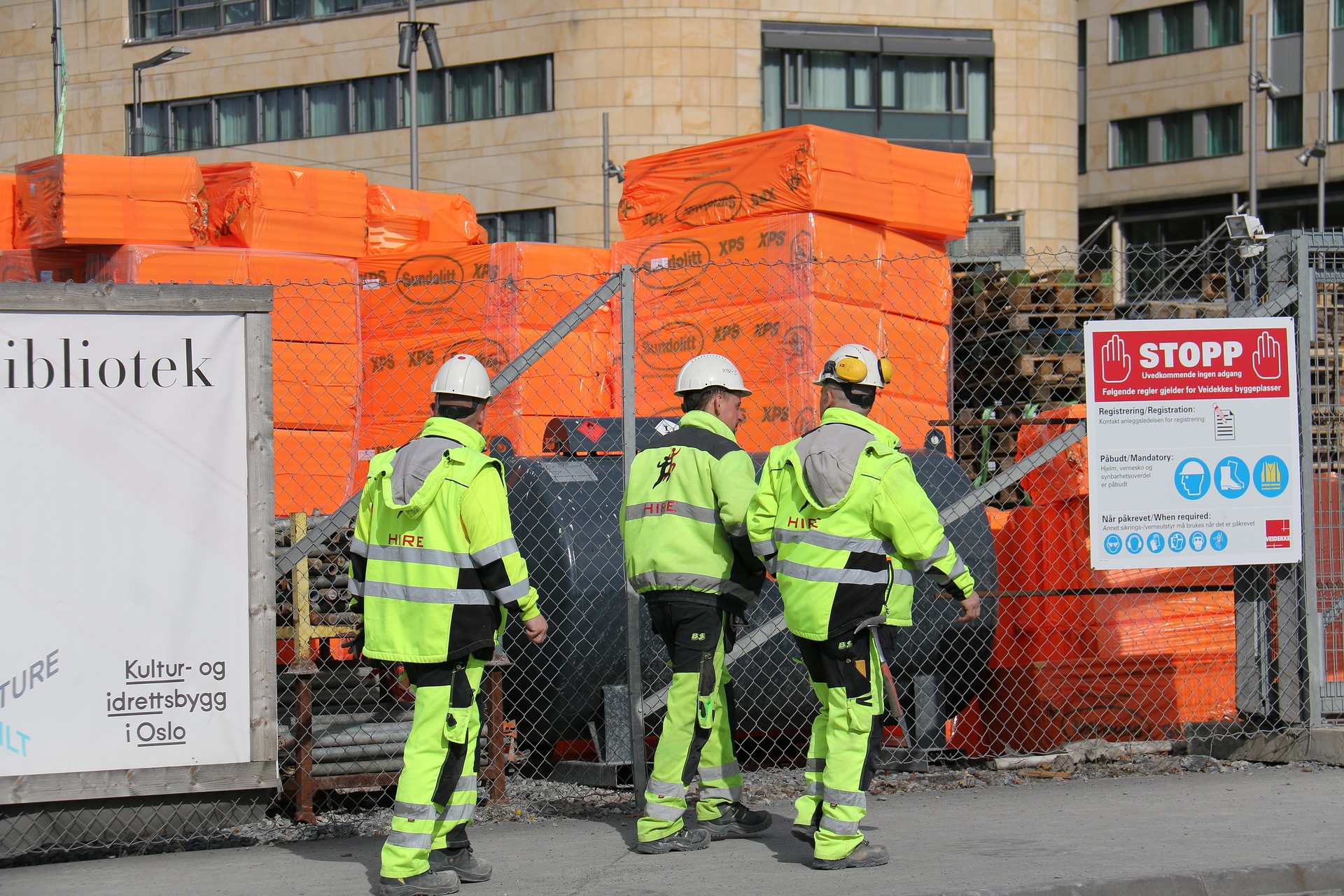
The EN ISO 20471 standard governs work clothing that allows high visibility. This type of PPE (Personal Protective Equipment) is essential to ensure that a worker is clearly visible to their surroundings. We will focus here on what characterizes this nomenclature and in which cases garments meeting this standard are required.
Table of contents:
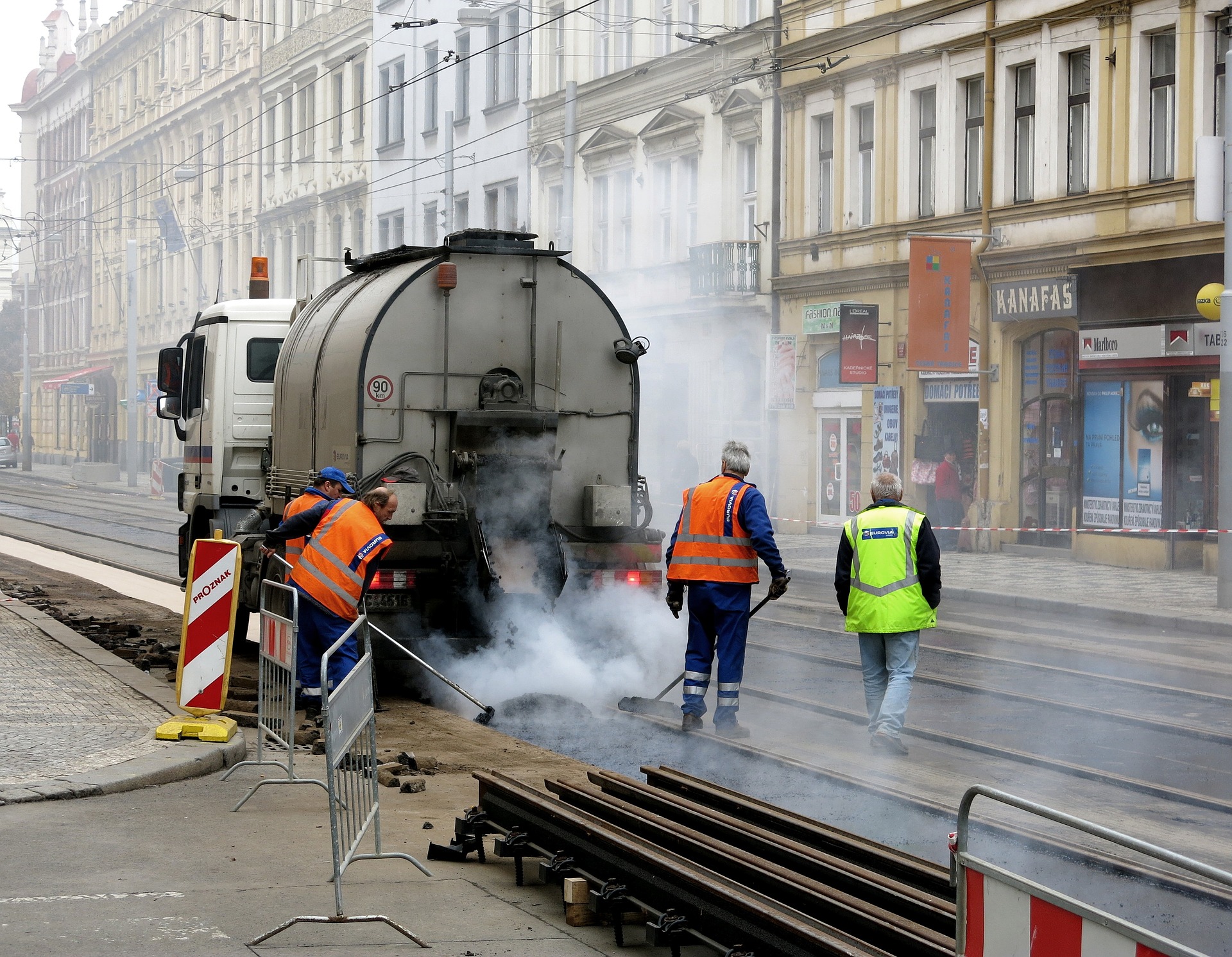
High-visibility clothing is particularly necessary for workers working on roads, roadsides and urban environments. According to the law, "Any person intervening on foot on the road domain during construction work or temporary danger must wear class 2 or 3 high-visibility signaling clothing, compliant with the specifications of the EN ISO 20471 standard". (Highway Code, Book 1, Eighth part, Article 134)
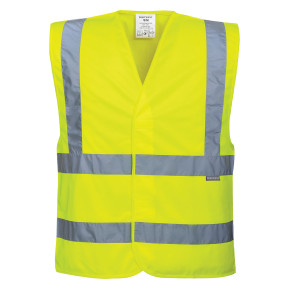
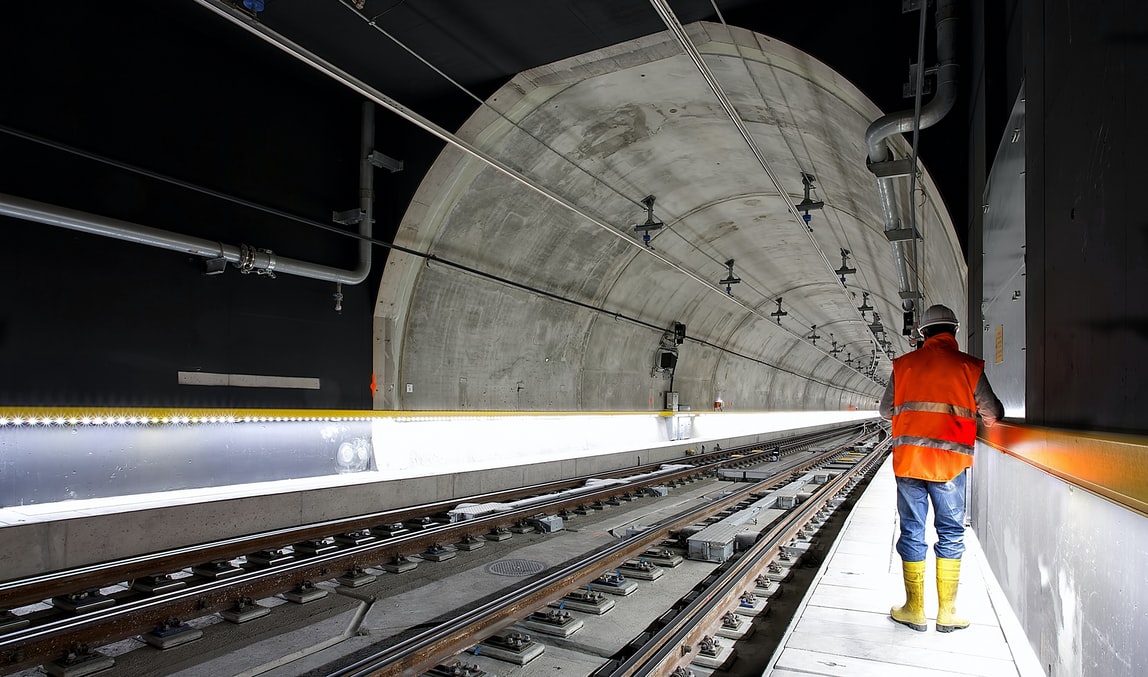
Thus, these garments must be worn by workers in public works, in construction, in railway or airport professions, in road transport, or by emergency services and police. An individual must also mandatorily possess a class 2 vest in case of breakdowns on the road. We will return to these class concepts by reviewing the requirements of the EN 20471 standard.
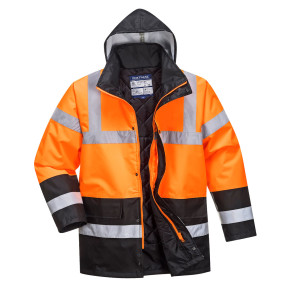
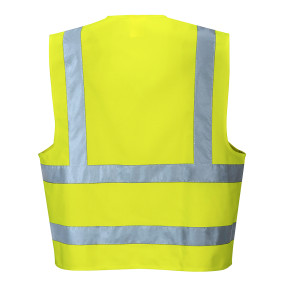
Garments under this standard are characterized by two main components that give them their high-visibility properties, both day and night.
For optimal daytime visibility, fluorescent material fabrics transform a non-visible part of light (UV) into visible light. The colors that can provide these characteristics are yellow, orange or red. These colors cannot work at night and are only useful during the day.
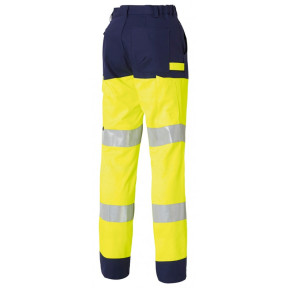
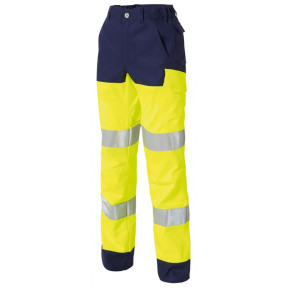
At night, the garment needs retro-reflective strips. These reflect light, and are specifically capable of returning to the source the lights from car headlights or other artificial sources (such as urban lighting). The strips must surround the garment at the level of the torso, shoulders, sleeves and legs for 360° visibility.
A contrast material may be present on the garment and contrasts with the fluorescent part. This (often blue or black) does not have high-visibility characteristics.
Garments under the EN ISO 20471 standard are defined under three distinct classes. They are determined by the proportion per m² of fluorescent and retro-reflective materials present on a garment.
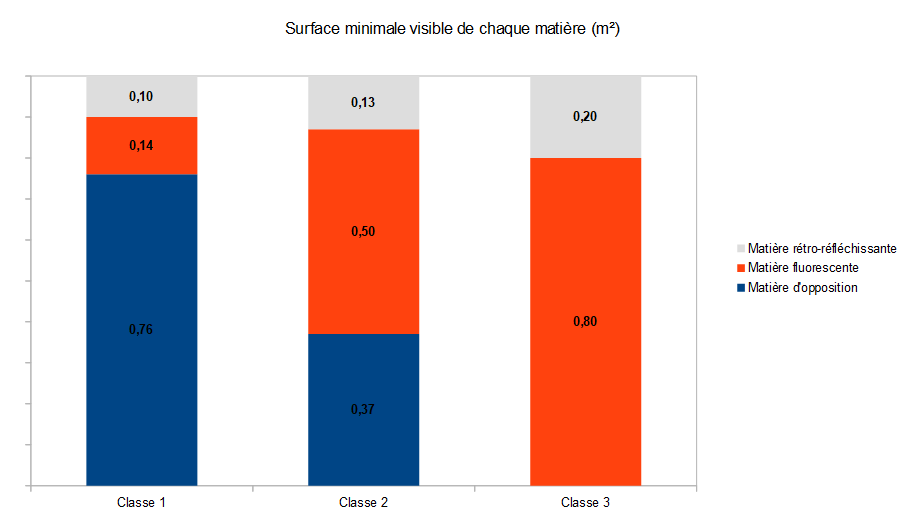
Class 1: The lowest level of visibility, it is not designed for long work on public roads. It can be suitable during the day for road safety officers. A garment of this class is visible in daylight with traffic up to 30 km/h.
Class 2: This intermediate level is appropriate for long-duration work on public roads, express delivery services or work in dim light. Under this class, a garment remains visible in traffic at a maximum speed of 50 km/h.
Class 3: The highest level of visibility possible. It is suitable for work in darkness. In this case, the class 3 garment is mandatory. It guarantees remaining visible in traffic up to 90 km/h. This level greatly limits the risk of accidents.
Due to the fact that it is categorized by the proportion of fluorescent or retro-reflective materials, it is important to note that the class can vary from one size to another on the same garment. Indeed, a smaller size offers less visible surface area, and can therefore be of a lower class than larger sizes. Similarly, by combining a top and bottom, the final class of the complete outfit can vary.
For your clothing to ensure the visibility specific to their classes, it is important to follow certain guidelines in order to wear them effectively.
You must avoid masking high-visibility materials. Accessories (scarves, backpacks) or clothing (cold-weather vests) that would cover these areas reduce the properties of the garment.
Garment maintenance must follow the rules indicated on its instructions. The visibility materials must be as clean as possible to ensure their functions.
Service life is also to be taken into account. After a certain number of washes, the characteristics of the standard may no longer be guaranteed.
As we have seen, high-visibility clothing will provide the necessary safety for various types of professionals. When choosing this type of PPE, it is important to check the standard and class of the garment to adapt to the needs of day or night work.