The best equipment for pros and enthusiasts alike
 Professions
If you dream of becoming a dog handler, you've come to the right place. Together, let's discover today the dog handler profession, also called canine security officer or dog handler. We will review all the specificities of this extraordinary profession: missions, training, career prospects, salary, specializations and dog breeds used.
Summary:
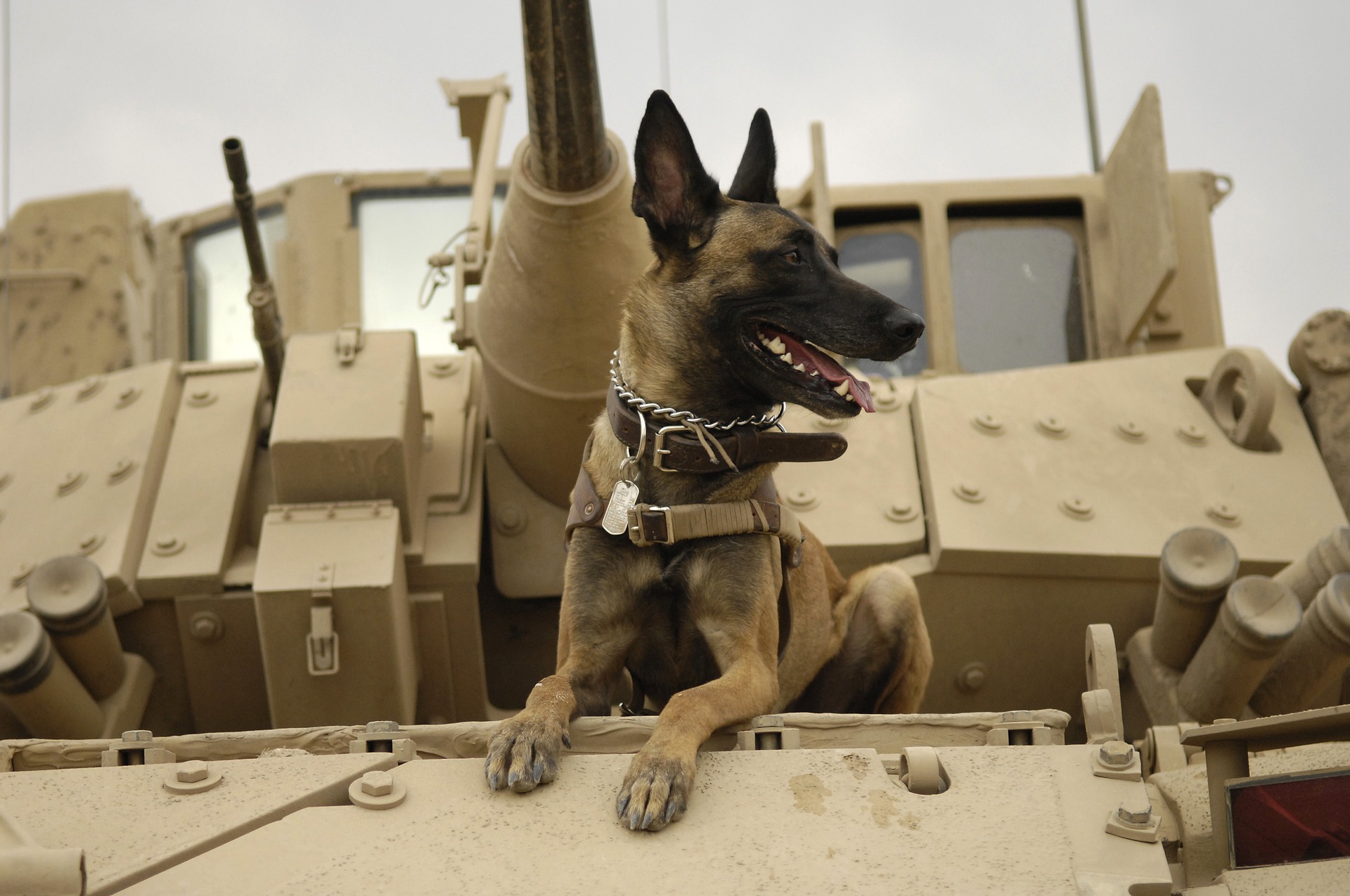
The dog handler's main function is to train and educate dogs with the goal of making them efficient, as they are called upon to play a major role in numerous missions.
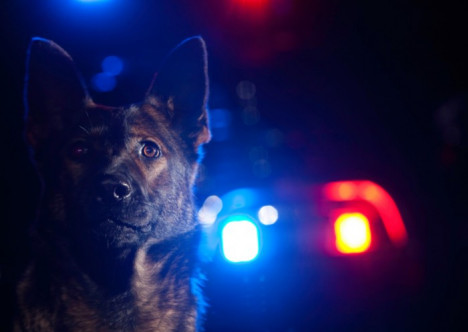
Following their training, the dog handler is in perfect harmony with their animal. They are able to carry out public surveillance missions, rescue operations, or private security.
They can work in both the public and private sectors.
The dog handler provides the animal with all the care necessary for good health and proper development such as:
Outside of missions, the dog lives at its handler's home or at the kennel of the brigade or regiment to which the handler and dog are assigned.
The dog handler ensures surveillance of businesses, stores, banks, industrial premises and conducts surveillance particularly at night. They play a deterrent role for potential thieves or criminals. The dog and handler form a united team.
They must also master security techniques such as remote surveillance, electronic detection, etc.
Within customs, police or gendarmerie, the dog handler must teach their animal:
The dog handler is also assigned to surveillance missions:
When the dog retires, the dog handler must entrust their partner to an adoptive family and must then get used to a new companion.
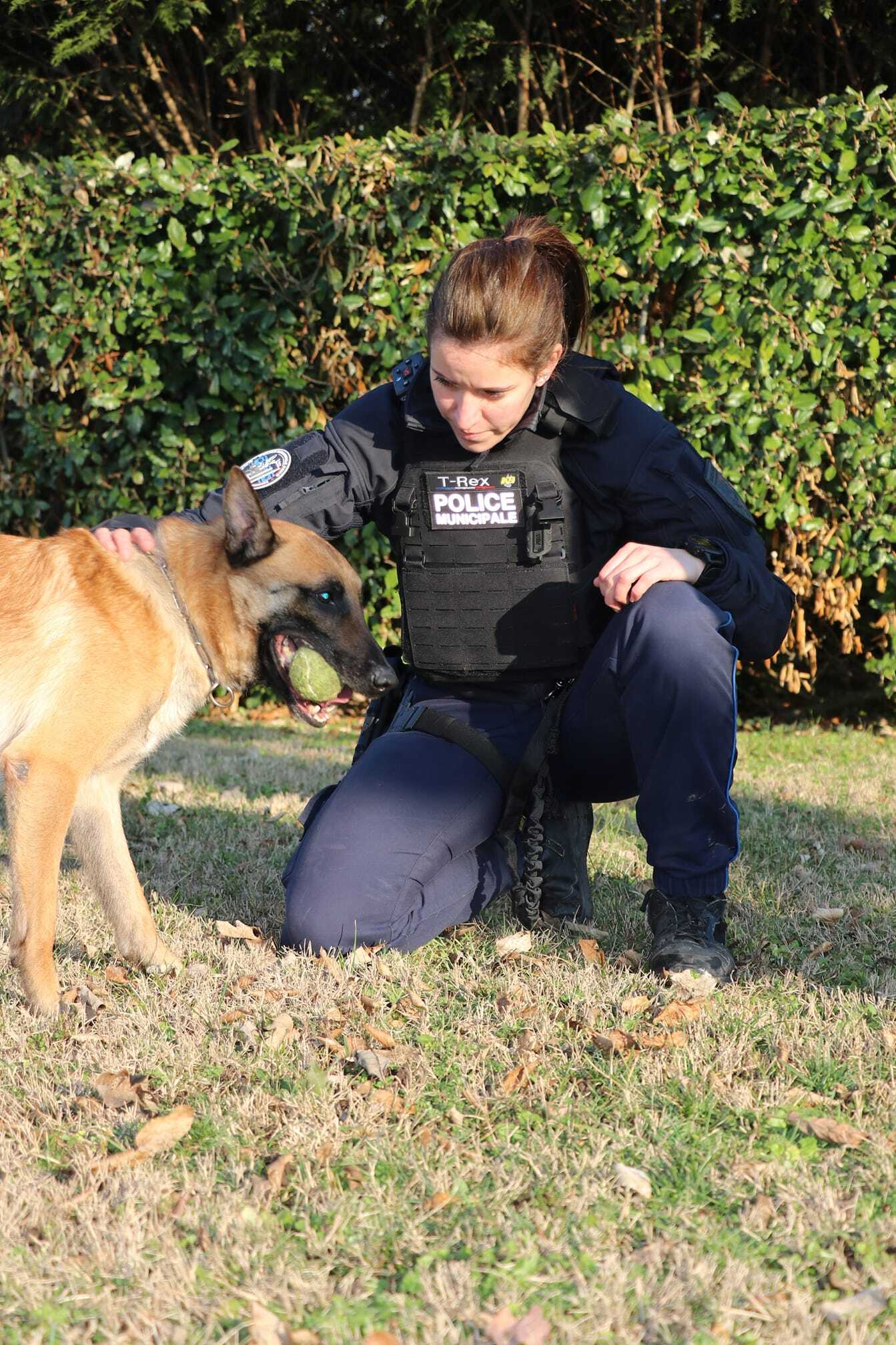
To become a dog handler, you must have a good relationship with the canine species as a whole. The bond between human and animal must be perfect for the team to function. The dog handler must be authoritative and, at the same time, caring to ensure proper training. They must be patient, as training is sometimes complex and relatively long.
You must also have good physical condition and good endurance.
To participate in dog handler training, a minimum level of 9th grade is required, as well as a clean criminal record and possession of a category B driver's license.
If your level is higher than this, you can aspire to additional specializations:
With a high school diploma level:
Within Law Enforcement, the most common advancement is to become a trainer, then regional instructor for police dog handlers.
In private security, they can become team leader or trainer or specialize in dog or animal training for advertising and cinema.
An army or police dog handler can take avalanche and/or tracking specialization courses with ANENA.
Monthly gross salary for a beginner: €1400
Gross salary for a dog handler working in a private company: €1500
The dog handler receives a bonus, called dog allowance, intended to compensate for expenses incurred by training and care provided to the dog.
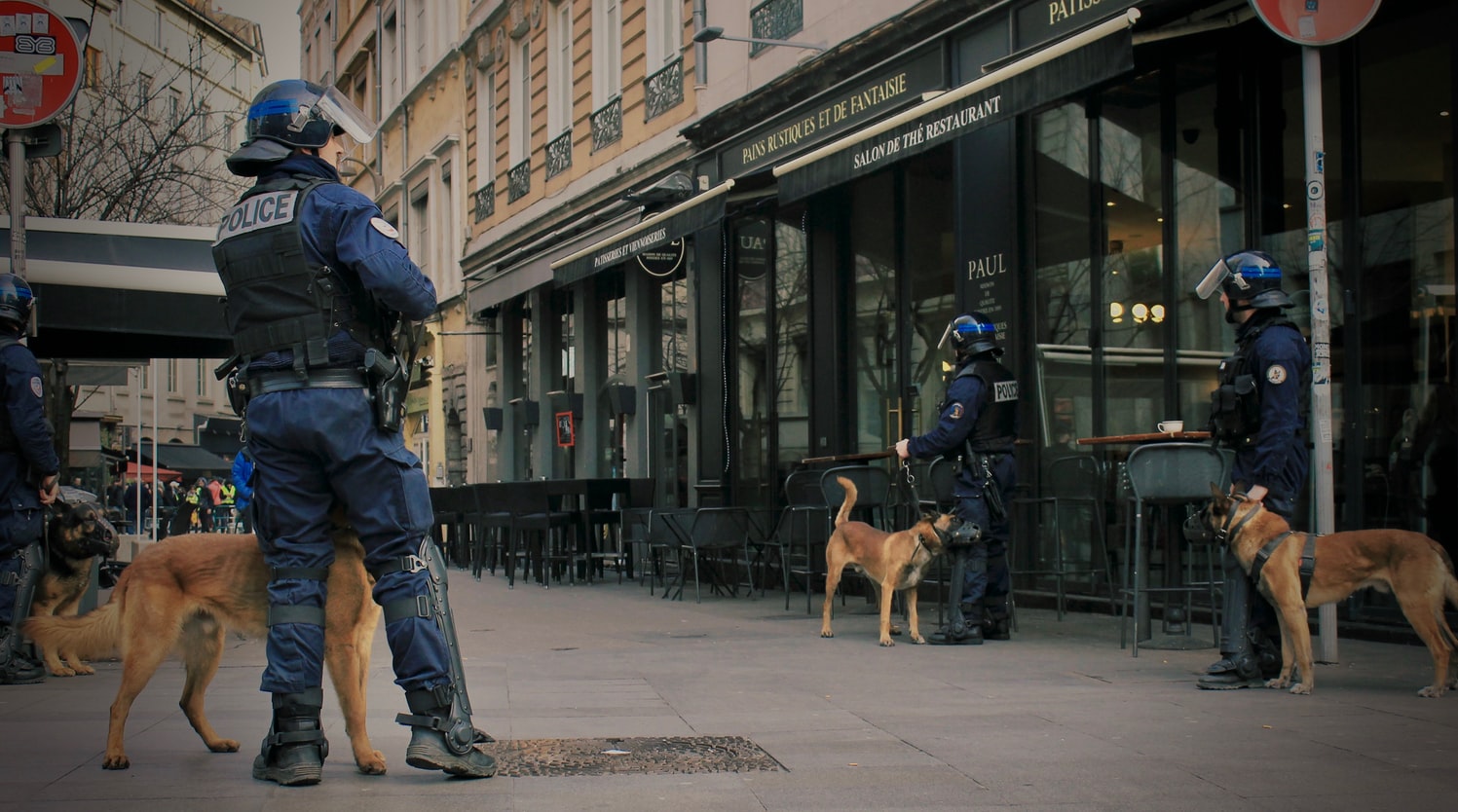
The specialization changes according to the corps in which the dog handler works:
In Auvergne-Rhône-Alpes, the only avalanche dog handler working with the gendarmes of Auvergne is Rémi Crespe and his Belgian Malinois Odin. They belong to the Murat Mountain Gendarmerie Platoon. They train regardless of weather conditions and in all Auvergne mountain ranges.
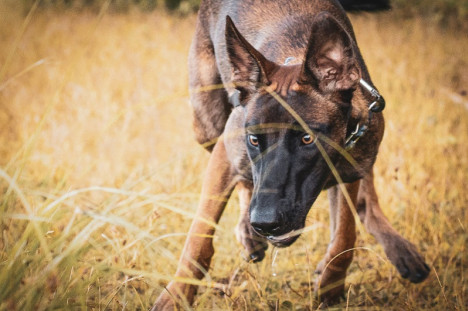
Tracking and avalanche search are the specialty of this duo. Training helps overcome any apprehensions the dog might have during a real intervention.
The dog handler may be required to use different dog breeds. Indeed, certain breeds are recognized for their unmatched sense of smell, their tracking quality, their offensive or defensive capabilities, their versatility or for their love of humans. A canine security officer will certainly work with a dog of a different breed from that used by a sea rescuer, a gendarme from a search brigade or an Army bomb disposal expert. The dog's physique can also determine the choice of breed: size, hardiness, maintenance, insulating capacity of the coat, etc.
Among the dog breeds used by dog handlers, we find: