The best equipment for pros and enthusiasts alike








-15%
 Professions
The General Inspection of the National Police was born from the merger between IGS (General Inspection of Services) created in 1854, whose competence was limited to Paris intramuros, and IGPN derived from the corps of general controllers and founded in 1884, which intervened throughout the territory, excluding Paris. This merger was initiated by the former Interior Minister, Charles Pasqua and applicable from 1986. It was reinforced in 2013 with the disappearance of the IGS designation. The two services were then grouped under the same name: IGPN.
Summary:
Attached to the Ministry of the Interior and the general directorate of the national police, the IGPN exercises its control over all police services, training schools, the Paris police prefecture and municipal police since 1999. It ensures compliance with laws, regulations and the code of ethics for police officers and protects the police from itself.
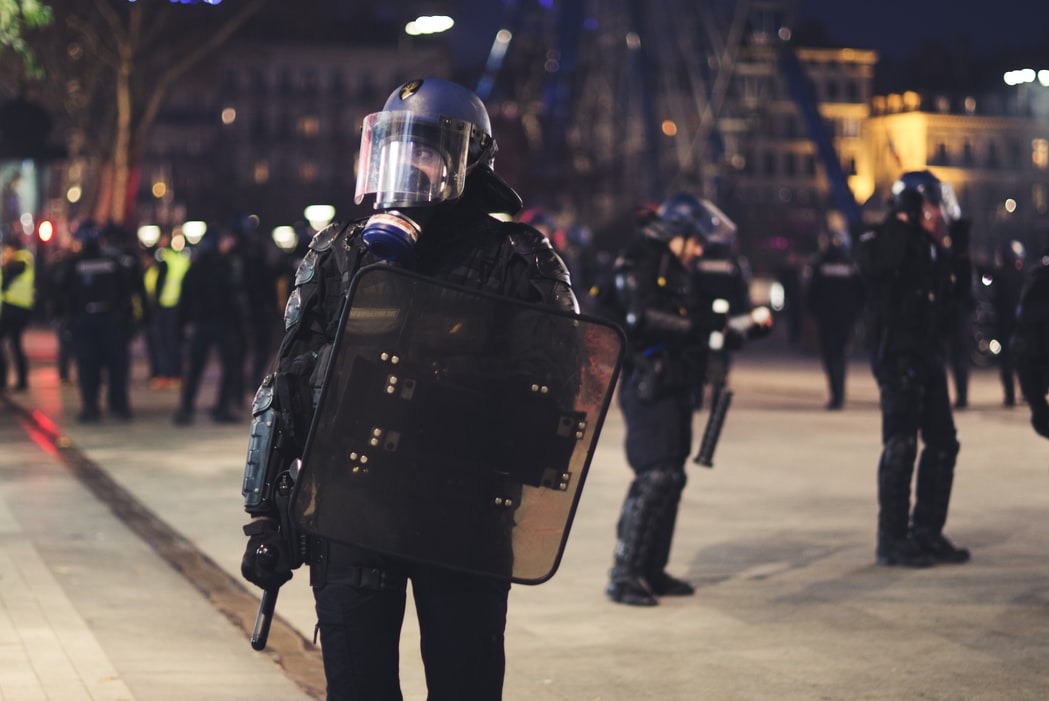
The General Inspection of the National Police (IGPN), with the aim of improving the functioning of the institution, carries out various missions:
- It conducts inspections, studies and audits, relating to the organization and functioning of police services.
- It analyzes, proposes and evaluates, the rules and professional practices relating to ethics and provides an advisory service.
- It carries out a consulting mission in management and organization.
- It coordinates and manages the internal control system and risk management of police services.
In order to carry out its mission, the IGPN has a national investigations division, eight delegations (Metz, Lille, Paris, Rennes, Lyon, Bordeaux, Marseille and Fort-de-France) as well as an office in Nice.
Judicial investigations are conducted on instruction or on initiative, at the request of the judicial authority (Public Prosecutor or Investigating Judge). A note is transmitted to the investigating judge who will be free to follow it or not. A police officer found guilty faces the same sanctions as any citizen.
Administrative investigations are conducted on instruction from administrative authorities or on initiative if the facts also give rise to a judicial investigation. If a request for sanctions (warning, reprimand, exclusion) is established against a police officer, their hierarchy is free to apply it or not.
An IGPN reporting platform is accessible on the internet via an online form and is open to all people who are victims or witnesses of behavior that could call into question a National Police officer.

This involves collecting reports, analyzing them and drawing all the consequences.
It also has a platform for all national police officers to prevent and combat discrimination, harassment and sexual and sexist violence, and to promote diversity and professional equality within the national police.
It also plays an advisory role with the authorities. The IGPN conducts inspections, audits and unannounced checks of police services. It helps to improve their functioning and the safety of police officers by developing a risk management culture.
To join the General Inspection of the National Police as an investigator, you must respond to internal job postings within the national police. Good and extensive experience within the judicial police is strongly recommended.
Whether you are part of the CEA (Management and Application Corps) as a peace officer or brigadier, or even the Command Corps (CC) as an officer of the national police or even the CDD more commonly known as the Design and Management Corps as a police commissioner, you will not be offered the same positions.
Each file is studied by IGPN members. To more precisely target new recruits, additional interviews are organized to evaluate the skills and motivations of each police officer.
Looking for an alternative to VETIPOL? Find a wide selection of products from the biggest brands for police officers and always at the best price: clothing, shoes/boots, equipment, materials and luggage.