To begin with, an avalanche is a natural phenomenon that can occur at any time. It can be of natural origin or triggered by humans. How to avoid risks related to avalanches? How to react in case of an accident?
Summary:
How to protect yourself from avalanche risks?
-
Don't go alone
-
Cross a risk zone one by one, then take shelter in a safe zone
-
Give your round-trip itinerary to your loved ones and your approximate return time
-
Move gently, avoid sudden turns
-
Stay informed about weather conditions and risk zones
-
Equip yourself with an avalanche victim detector or avalanche victim search device, a shovel, a probe and a phone
-
During a hike, leave a good distance between each person, this avoids overloading the snow slab
-
Take the least steep slopes.
-
Always keep an eye on the other group members.
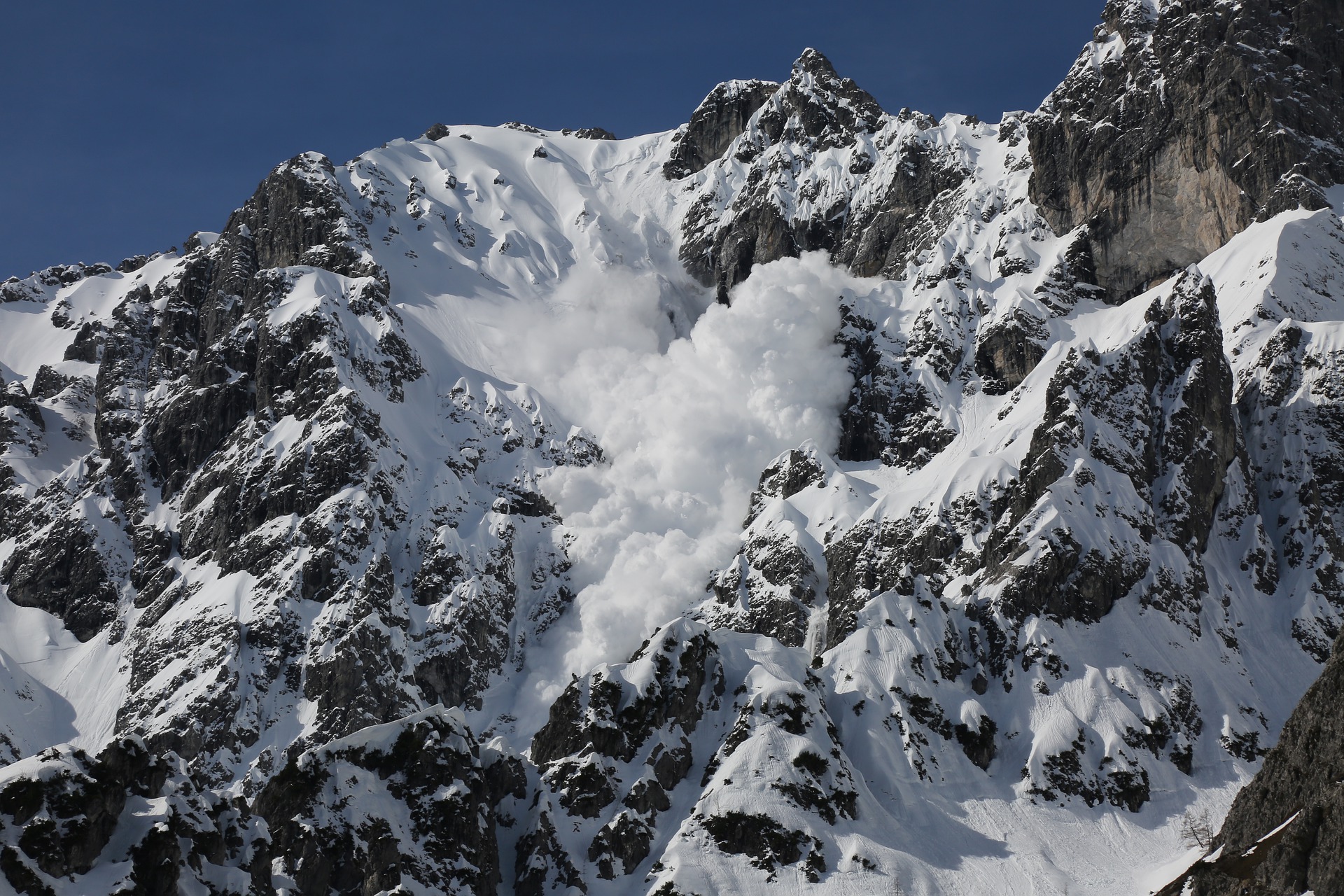
How to react in case of an avalanche?
- First of all, try to escape laterally down the slope. Indeed, if you try to do the opposite, the avalanche has a higher speed than yours so it will catch up with you more easily. Just before being carried away, protect your airways by placing your hands in front of your mouth and nose.
- Try to stay on the surface by making large movements without going too fast, to avoid getting tired.
- Get rid of your backpack if it's heavy. Otherwise, keep it. It can form a barrier to counter the cold and protect you from impacts.
- Finally, if you spot obstacles like rocks or even trees within arm's reach, try to grab onto them.

How to react after an avalanche
- Try to create space to clear your airways and thus avoid filling your lungs with snow.
- Then dig upward toward the light.
- Try to break through the snow slab by extending your arms or using something sharp.
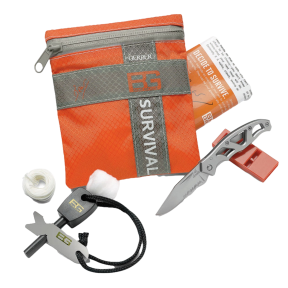
- Avoid shouting, use a whistle to avoid getting out of breath or try to make brief, high-pitched sounds.
- Last piece of advice, but not least, you must never fall asleep.
If I witness an avalanche, what should I do?
- Get to safety by leaving the avalanche path and watch carefully above you in case a second avalanche might be triggered
- Try to always keep a visual reference of where the victims disappeared
- Immediately alert rescue services by dialing 18 or 112
- In the meantime, be attentive to the slightest sound that buried people might make, to movements and even to smells
- If however, you are equipped with a probe, use it to try to locate victims until rescue arrives.
Discover another article on mountain risks concerning storms this time. On vetsecurite.com, find a wide selection of products for bivouac, hiking and camping: clothing, shoes, survival equipment, backpacks, tents and tarps, sleeping bags, stoves and kitchen accessories, freeze-dried meals and much more!
 The best equipment for pros and enthusiasts alike






 Professions