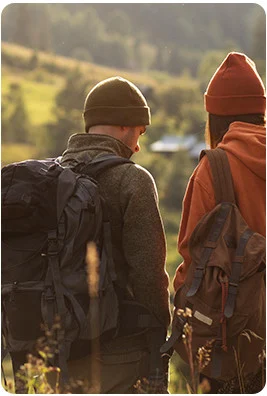
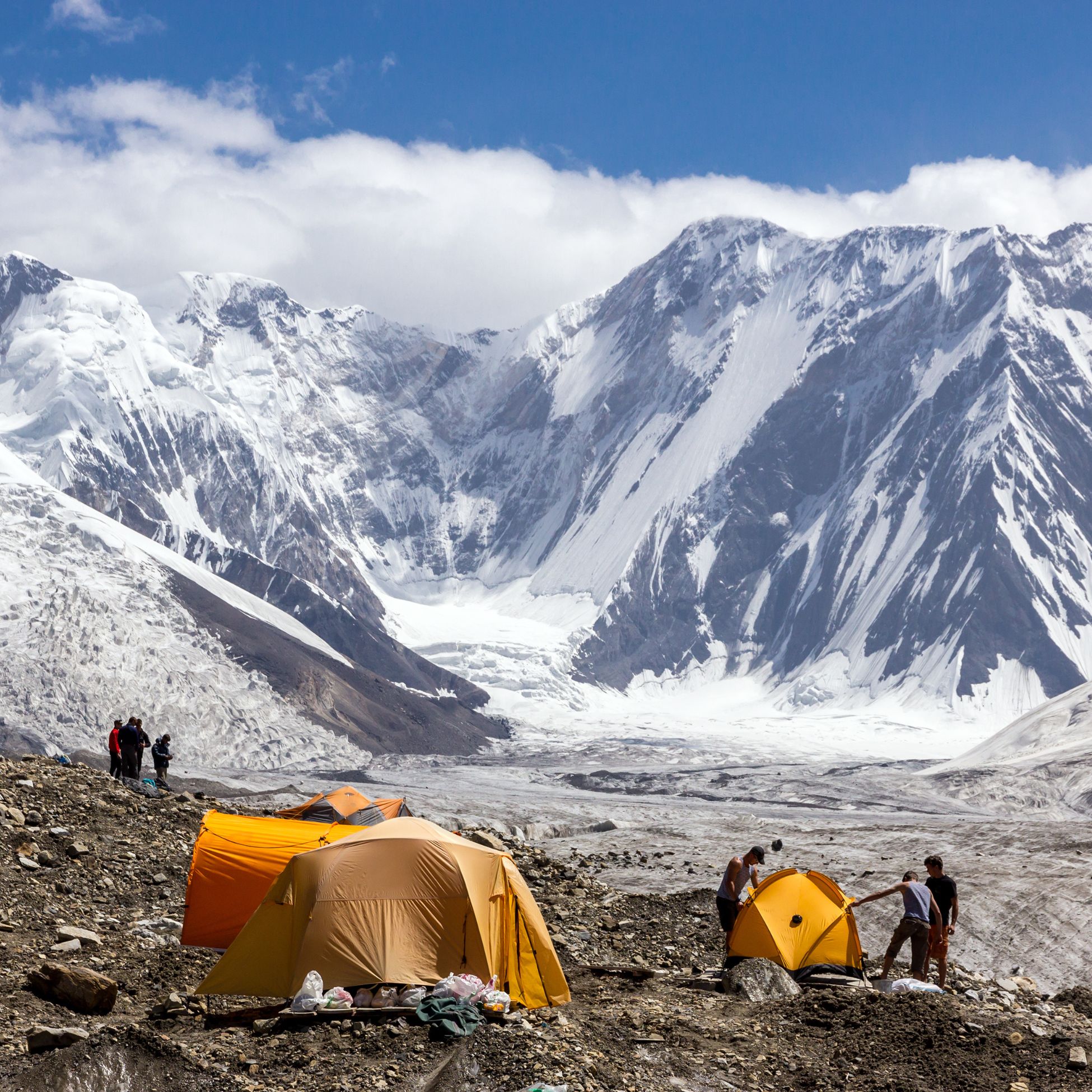
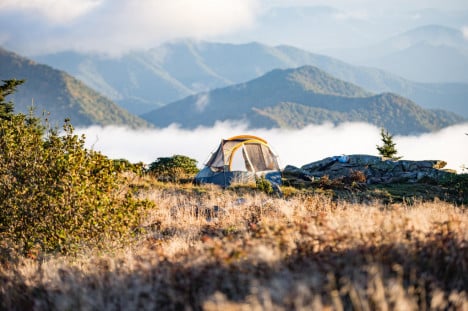
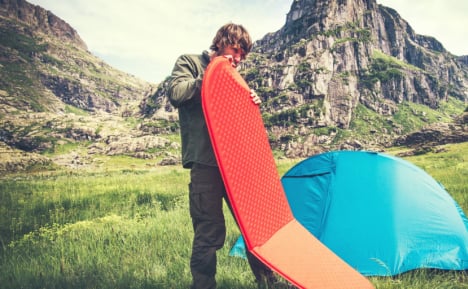
Bivouacking represents one of the most authentic experiences of hiking. Spending a night in the wilderness, under a starry sky, allows you to reconnect deeply with the environment. However, the choice of location entirely determines the success of this experience. Between safety, comfort, compliance with regulations and preservation of nature, several essential criteria must guide your selection.
Table of Contents
- Understanding the regulations: bivouac vs camping
- Advance preparation: the importance of maps
- Safety criteria: a safe terrain above all
- Protecting yourself from the elements: wind and weather
- Proximity to water: between necessity and caution
- Optimizing comfort and discretion
- Managing timing: anticipate before nightfall
- Preserving nature: the "leave no trace" ethic
- Special cases and specific situations
- Perfect site checklist
Understanding the regulations: bivouac vs camping
The fundamental distinction
Before setting out to find the perfect spot, it is crucial to understand the difference between bivouacking and camping. Bivouacking is defined by a temporary setup for a single night, with mandatory dismantling in the morning. This practice is generally better tolerated than camping, which involves a setup for several days.
Rules to follow
Regulations vary considerably depending on regions and protected areas. In national parks and nature parks, bivouacking may be strictly regulated or prohibited. Certain periods, particularly during high fire risk, see temporary bans applied. On private land, authorization from the owner remains mandatory.
It is therefore essential to gather information from tourist offices, park visitor centers or official websites before your departure. This approach will save you inconveniences and contributes to the respect of natural areas.
Advance preparation: the importance of maps
Using IGN maps
Identify regulated areas
These same maps indicate protected areas, nature reserves and parks where bivouacking may be prohibited. Prepare several potential locations to adapt to the conditions encountered in the field.
Safety criteria: a safe terrain above all
The importance of flat terrain
Flat ground represents the number one safety criterion. Beyond the obvious comfort, it prevents sliding or rolling during the night. Even a slight slope can become problematic after several hours of sleep.
Avoid risk areas
Certain locations present particular dangers that must absolutely be avoided. Depressions and narrow valleys expose you to risks of flash floods. River banks can see their level rise rapidly. Marshy or unstable areas compromise the safety of the setup.
Also beware of terrain under dead trees or cliffs exposed to rockfall. In the mountains, check for the absence of avalanche corridors even in summer.
Protecting yourself from the elements: wind and weather
Finding natural shelter
Wind can transform a peaceful night into a real ordeal. Look for natural protection such as rocks, groves or terrain features. The ideal is to set up your tent in their lee, with the opening facing away from the prevailing wind.
Anticipating weather changes
Check weather forecasts before departure and adapt your site choice. A spot that seems perfect in good weather can become dangerous in case of storms or strong winds.
Proximity to water: between necessity and caution
A delicate balance
Access to water remains essential for cooking, hydration, and hygiene. However, setting up your bivouac directly beside a water source presents several drawbacks. Excessive humidity can make the night uncomfortable and promote condensation. Mosquitoes thrive near wetlands, and the risk of flooding, even modest, always exists.
The 60-meter rule
Maintain a distance of approximately 60 meters between your site and the water source. This distance offers an optimal compromise between accessibility and safety, while reducing your impact on fragile aquatic ecosystems.
Optimizing comfort and discretion
Optimal orientation
An east-facing exposure allows you to benefit from the first morning sun rays. This orientation helps dry dew-dampened equipment and quickly warm up the camp. It also facilitates a natural and pleasant wake-up.
Prioritizing tranquility
Choose a location away from heavily trafficked trails, roads, and dwellings. This distance guarantees your peace and avoids disturbing other nature users. Discretion is an integral part of bivouacking ethics.
Managing timing: anticipate before nightfall
Starting the search early
Never underestimate the time needed to find a good location. Start your search at least two hours before sunset, around 5-6 PM in summer. This anticipation saves you the stress of searching in the dark and allows for a thoughtful choice.
Adapting to the group's fatigue
If your group shows signs of significant fatigue, don't hesitate to stop earlier than planned. It's better to set up the bivouac in good conditions, with enough light, rather than push to exhaustion.
.jpg)
Preserving nature: the "leave no trace" ethic
Minimize your impact
The fundamental principle of responsible bivouacking is to leave no trace of your passage. Avoid trampling on fragile vegetation, do not move rocks unnecessarily, and set up on already disturbed surfaces when possible.
Managing waste and hygiene
Absolutely carry out all your waste, including the smallest items. For dishwashing and personal hygiene, move at least 60 meters away from water sources and use biodegradable products in minimal quantities. Soapy water should be dispersed on the ground, never poured directly into a watercourse.
Special cases and specific situations
In high mountains
Altitude changes all parameters. Weather conditions change rapidly, wind blows stronger, and temperatures drop drastically at night. Absolutely seek natural shelters and plan equipment suitable for extreme conditions.
In the forest
Forest environments offer natural protection against wind but present other challenges. Check the condition of surrounding trees, avoid recently cut areas where unstable branches remain, and beware of spongy terrain that retains moisture.
By the sea
The coastline combines several specific constraints. Tides change the water level, sea winds often blow strong, and sand can infiltrate everywhere. Check tide schedules and set up high enough to avoid any nighttime surprises.
Perfect site checklist
Before finalizing your choice, check these essential points:
Safety and regulations:
- Bivouacking authorized in this area
- Flat and stable ground
- Absence of natural hazards (rockfall, dead trees)
- Safe distance from water sources
Comfort and practicality:
- Protection from prevailing winds
- Favorable exposure (east preferably)
- Access to drinking water at a reasonable distance
- Clean and clear ground
Environmental impact:
- Already disturbed or resistant surface
- Distance from sensitive areas
- Possibility of leaving no trace
Conclusion: the art of responsible bivouacking
Finding a good bivouac site is as much about technique as it is about common sense. This skill develops with experience, but these fundamental principles will guarantee you peaceful nights in the wilderness. Compliance with regulations, safety, comfort, and environmental preservation form the pillars of a successful bivouac.
Remember that each bivouac is a privilege. By adopting these best practices, you help preserve this possibility for future generations of hikers. Nature welcomes us, let's respect it in return.
 The best equipment for pros and enthusiasts alike
 Professions