 The best equipment for pros and enthusiasts alike





-
 Professions
-
-
-
-
-
-
-
-
All Tops
![All Tops]()
-
-
-
All Bottoms
![All Bottoms]()
-
-
-
All Footwear
![All Footwear]()
-
-
-
All Bags
![All Bags]()
-
-
-
All Accessories
![All Accessories]()
-
-

There are many risks of working at height. In the construction and industrial sectors, nearly one accident in ten is related to a high fall. It is the second leading cause of fatal accidents in the professional environment. Here is a summary of the multiple regulations and standards for protection against falls.
Table of Contents:
- Safety harness standards
- Standards for connection and energy absorption systems
- Anchor device standards (EN 795)
- Fall protection in confined spaces (CATEC)
Safety harness standards
Depending on the environment and the activities performed, several categories of safety harnesses are defined by various standards:
- EN 361 : Concerns personal protective equipment to prevent falls from height such as fall arrest harnesses.
- EN 358: This standard defines personal protective equipment for work positioning at height. This can be positioning and restraint belts or positioning lanyards.
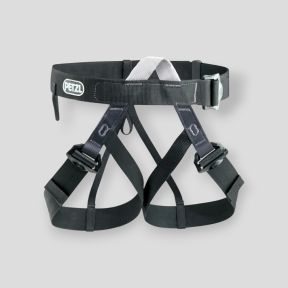
- EN 813 : This includes personal protective equipment to prevent falls from height during suspension. This includes sit harnesses.
- EN 1497: Governs PPE preventing falls from height with rescue loops. These are mainly rescue harnesses.
Standards for connection and energy absorption systems
- EN 353: For mobile fall arrest devices with the variations as follows:
- EN 353-1: Device including a rigid support system.
- EN 353-2: Device including a flexible support system.
- EN 354 : Covers PPE of lanyard types against falls from height.
- EN 355: This standard governs PPE against falls from height with energy absorbers.
- EN 360: This concerns PPE with an automatic locking function and a retractable recall system for the lanyard.
- EN 362: These PPE are characterized in fall protection by their connectors.
.jpg)
Anchor device standards (EN 795)
In certain hazardous areas, work is secured for the user by securing a Personal Protective Equipment fall arrest system to an anchor device. This requires a connector and an appropriate harness. Some cases also require the use of guided type or retractable fall arrest systems when used horizontally. Efficient anchoring requires in all cases the wearing of fall energy absorbers.
- EN 795: this specific standard defines anchor systems with an attachment point for fall arrest. This standard classifies five types of anchor devices.
- Class A : Class of anchor devices fixed in a quasi permanent manner to an infrastructure. This can include anchor eyelets.
- Class B : Conversely, this anchor device is temporary. It can be removed to allow use without marking the workplace. This includes tripods, anchor straps and davits.
- Class C : These anchor systems use a flexible and horizontal support system.
- Class D : Similarly with a rigid support system.
- Class E : This last class defines deadweight anchor devices.
Fall protection in confined spaces
In confined spaces, the risk of falls from small heights poses as many risks as outdoor situations. As such, safety harnesses must comply with the regulations of the EN 361 standard. The complements of standards EN 813, EN 1497, and a compliant anchor system are also strongly recommended.
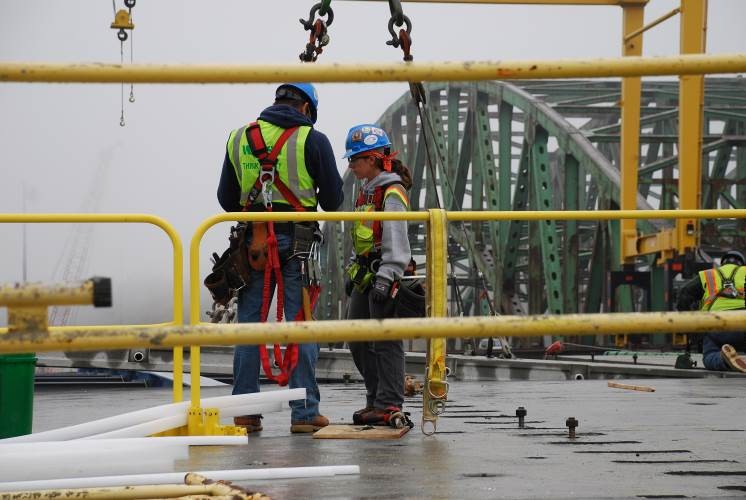
As we have just seen, several standards allow for the classification of fall protection according to the needs of the professional environment.
Related products
-20%
-30%
Related articles


Slip-resistant shoes: Safety standards
Read the article


-
![Over 200 brands At the best price]() Over 200 brands At the best price
Over 200 brands At the best price -
![Secure payment In 3 or 4 interest-free installments]() Secure payment In 3 or 4 interest-free installments
Secure payment In 3 or 4 interest-free installments -
![Delivery across Europe As soon as possible]() Delivery across Europe As soon as possible
Delivery across Europe As soon as possible -
![Customer service Monday to Friday]() Customer service Monday to Friday
Customer service Monday to Friday


