The best equipment for pros and enthusiasts alike






 Professions
The Operational and Civic Reserve of the National Gendarmerie (ROGN), what is it? Consisting of a corps of 29,000 women and men committed to serving their country, the Gendarmerie operational reserve primarily serves as reinforcement for so-called "active" units and command structures. Like the "active" units of the National Gendarmerie, the role of reservists is primarily to act to protect people and property, provide assistance, raise alerts and be able to inform the population throughout French territory, from mainland France to the other end of the world...
Summary:
Temporarily, contracted reservists are called upon to support units and patrols in their daily missions (assistance to the population, rescue, fight against delinquency, public safety...), but also during more exceptional situations (demonstrations, large-scale events, searches, natural disaster management, implementation of the Vigipirate plan...), or in the context of training young reservists.
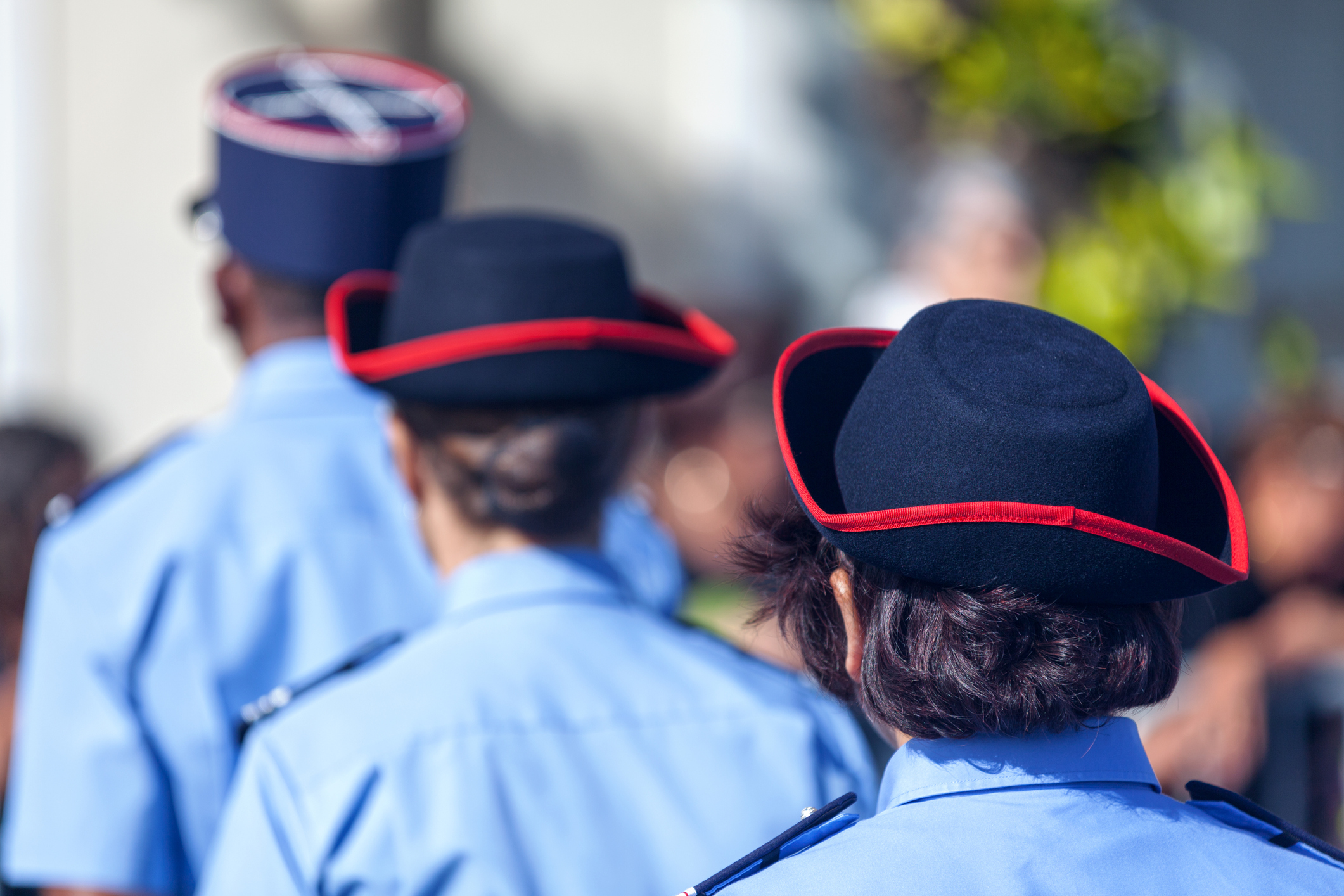
According to its needs and capabilities, the National Gendarmerie decides which training the candidate will follow before joining the operational reserve. Two trainings are possible:
Gendarmerie Military Preparation (PMG): this training teaches the fundamentals to enlisted personnel of the operational reserve. It consists of 12 hours of distance learning, 12 days of military initiation and improvement period for national defense (PMIPDM) and 3 days of reservist initial military training (FMIR).
Territorial Reservist Operational Training (FORT): this training includes not only the components of the previous training, but with the FMIR component lasting 12 days instead of 3 since it directly includes first aid training and Assistant Judicial Police Officer (APJA) training.
Both trainings are therefore identical, but within the PMG framework, the reservist must subsequently complete first aid training "Prevention and Civil Rescue Level 1 (PSC1)", "Tactical Rescue in Gendarmerie Level 1 (SauveTaGe N1)" and APJA training, unlike the FORT which allows reservists, upon completion of training, to be immediately operational.
These two trainings generally take place on weekends or during school holidays. Once trained, reserve gendarme candidates receive their Reserve Assistant Gendarme Diploma (DGAR) and sign their Reserve Service Commitment contract (ESR) for a duration of five years, renewable and terminable at any time by both parties.
The salary of a reserve gendarme depends on their status (enlisted personnel, non-commissioned officer or officer), their rank and family situation. For enlisted personnel, compensation starts at around 60 euros net per day.
To become a Reserve Gendarme, the basic requirements are quite simple: you must be at least 17 years old, be of French nationality and have completed the Defense Preparation Call Day (JAPD) or the Defense and Citizenship Day (JDC). Obviously, this is common sense, but you must have optimal physical condition and be morally fit. If the candidate's profile is selected, they will need to follow one of the two trainings offered by the National Gendarmerie.
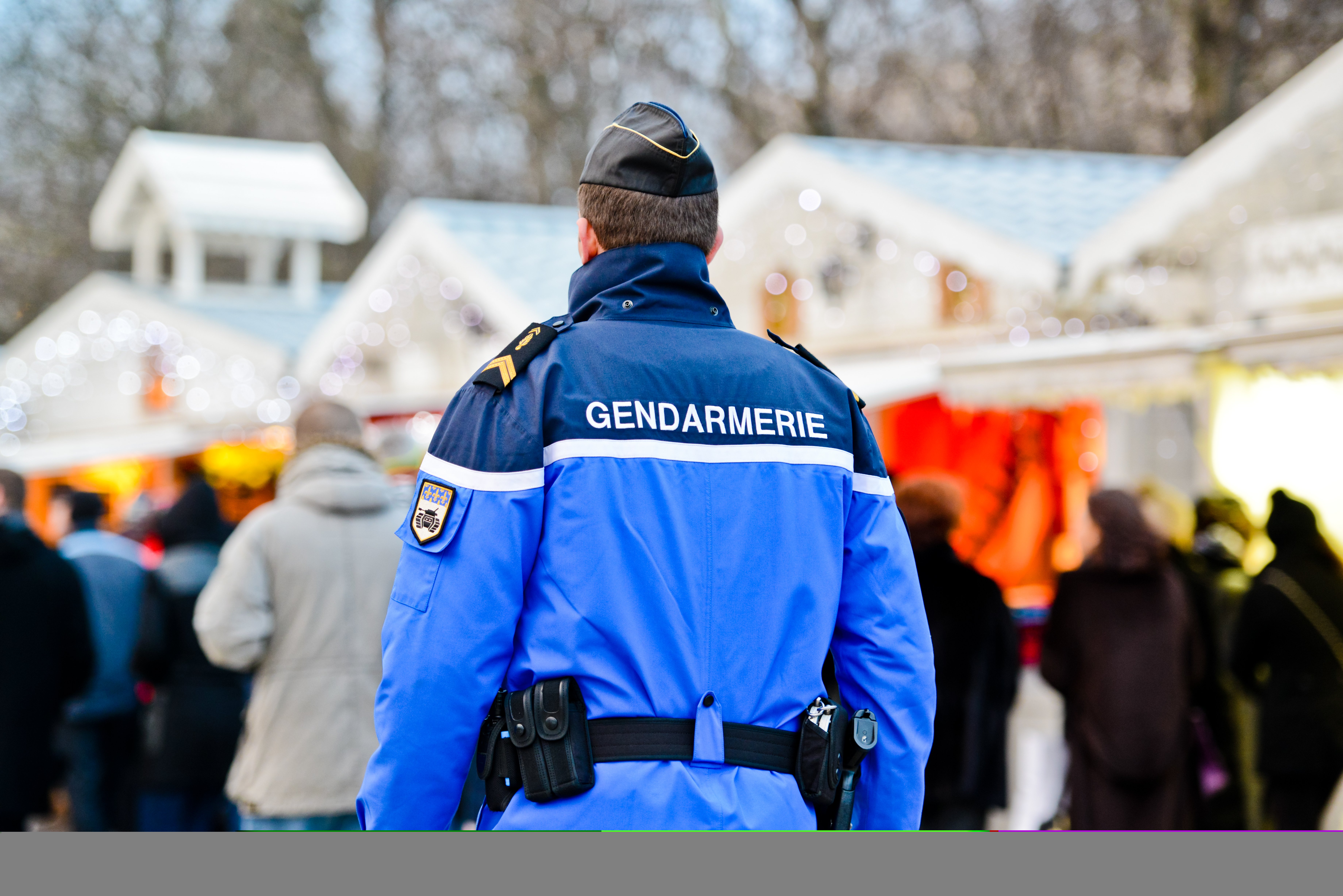
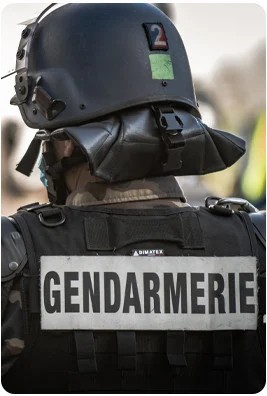
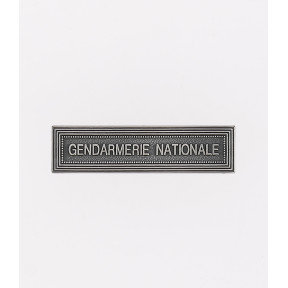
A Reserve Gendarme wears the same uniform and must be equipped in the same way as a Gendarme in a so-called "active" unit. The service uniform consists of navy intervention trousers, a short-sleeve polo shirt or long-sleeve in National Gendarmerie colors, black leather boots, a forage cap type headgear or embroidered cap with National Gendarmerie insignia, an equipped intervention belt. The Gendarme must always wear their chest stripes, the regional patch on the left arm and their badge number.
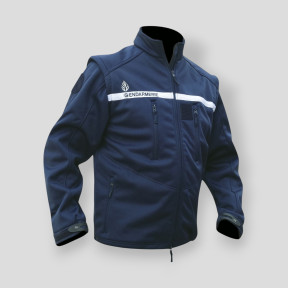
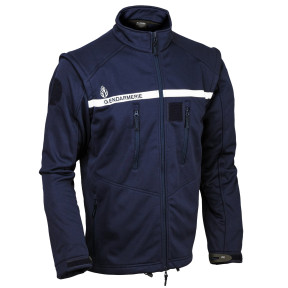
Additional equipment may be added depending on weather: a fleece jacket and rainwear in Gendarmerie colors.
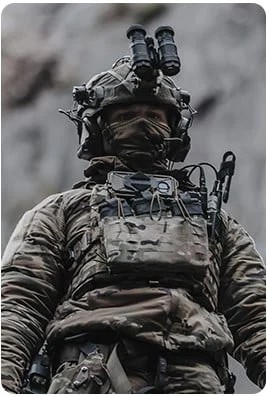
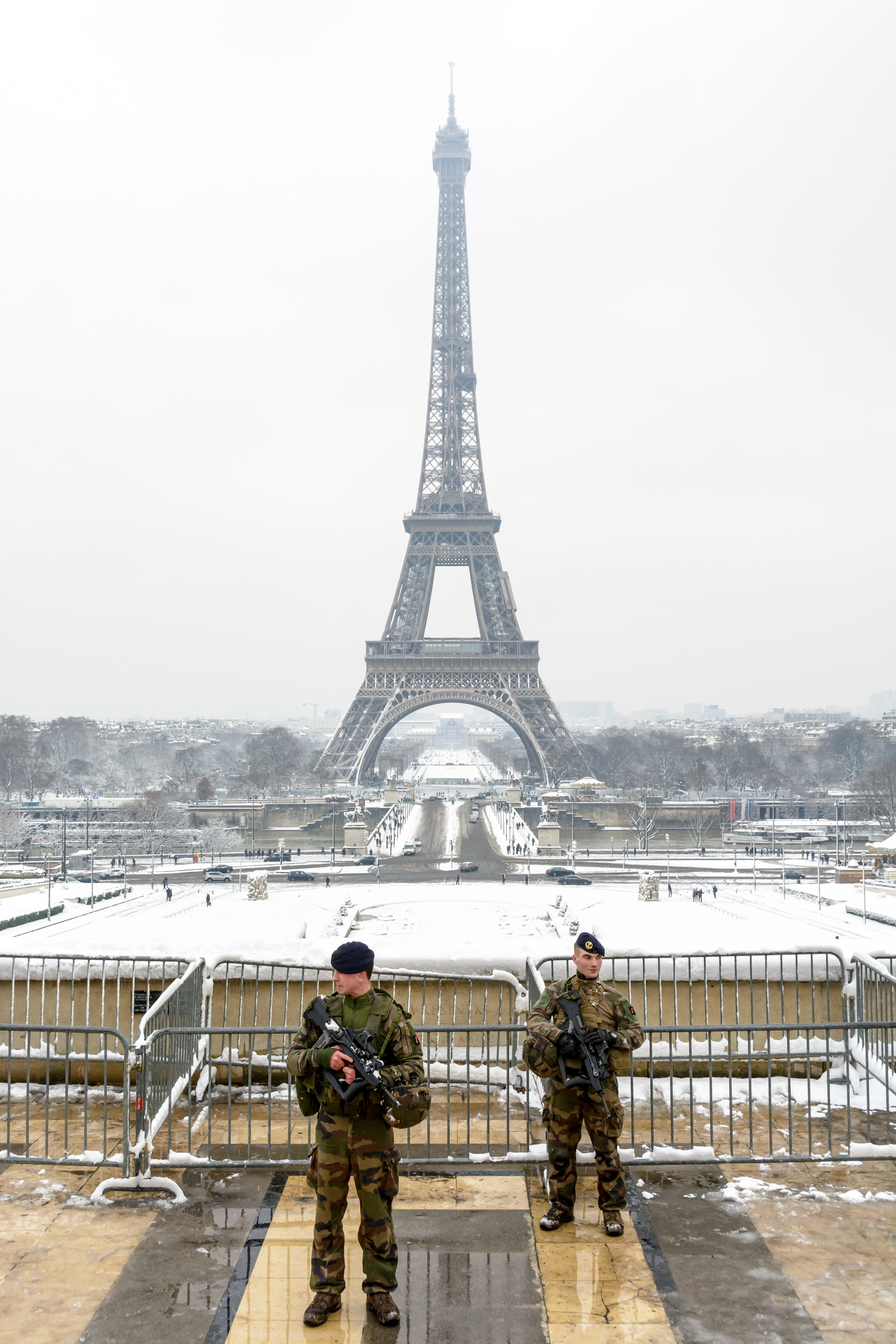
The camouflage uniform called "fatigues" is worn during training, then in the field as needed. It is also the same as for the National Gendarmerie ("active" brigades): it consists of the same accessories and elements as the regulation uniform mentioned above, with the difference that it bears military camouflage colors.
How does the National Gendarmerie evaluate the performance and progress of reserve gendarmes?
The National Gendarmerie evaluates the performance of reserve gendarmes through regular assessments conducted by their superiors, continuous training adapted to their operational needs, mission reports detailing their contributions, and feedback from active units.
Reservists are also subject to specific skills tests and benefit from individual interviews to discuss their progress and objectives. This approach ensures that reservists maintain a high level of operational competence and can evolve effectively within the National Gendarmerie.
What is the salary of a reserve gendarme?
The salary of a reserve gendarme in France varies according to their rank and the duration of their missions, with daily pay ranging from approximately €55 to €110. For example, a gendarme receives about €75 per day, while a lieutenant can receive up to €100 per day.
These amounts can be increased by various bonuses and allowances specific to the mission. For precise and updated information, it is recommended to consult the official National Gendarmerie website.
What are the conditions to be a reservist?
To become a reservist in the National Gendarmerie in France, you must be of French nationality, aged 17 to 40, have a clean criminal record, be in good physical condition and medically fit.
Candidates must be available to undergo initial training and carry out missions, and commit for a minimum duration, often 5 years. The procedure includes a motivation interview, selection tests, and successful completion of initial training comprising military training and public safety modules.