The best equipment for pros and enthusiasts alike


 Professions
When you go hiking, camping or face an emergency situation, it's crucial to know how to purify water to avoid illness. Untreated water can contain bacteria, viruses, parasites or harmful chemicals. Here are 8 effective methods to purify water, to make it drinkable wherever you are.
Summary:
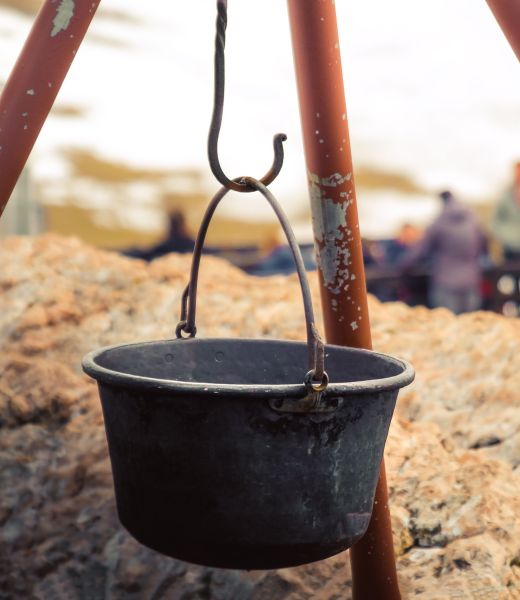
Boiling is one of the simplest and most effective methods to purify water. By heating water to its boiling point for at least 1 to 3 minutes, you kill most pathogenic micro-organisms, such as bacteria, viruses and parasites. This technique is particularly reliable because it eliminates almost all biological threats. For altitudes above 2000 meters, where water boils at a lower temperature, it's recommended to extend the boiling time to about 5 minutes.
Advantages of purification by boiling:
Disadvantages of purification by boiling:
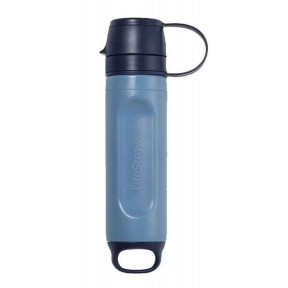
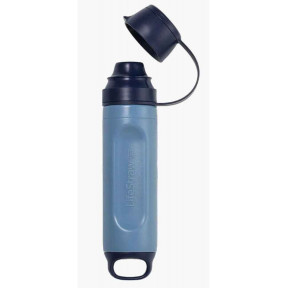
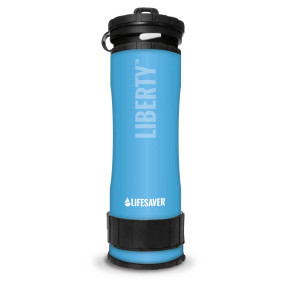
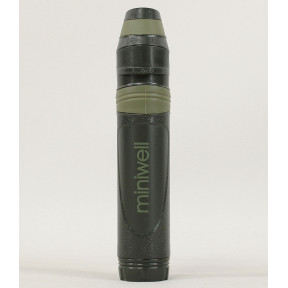
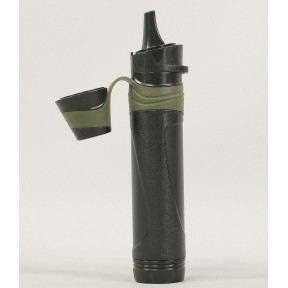
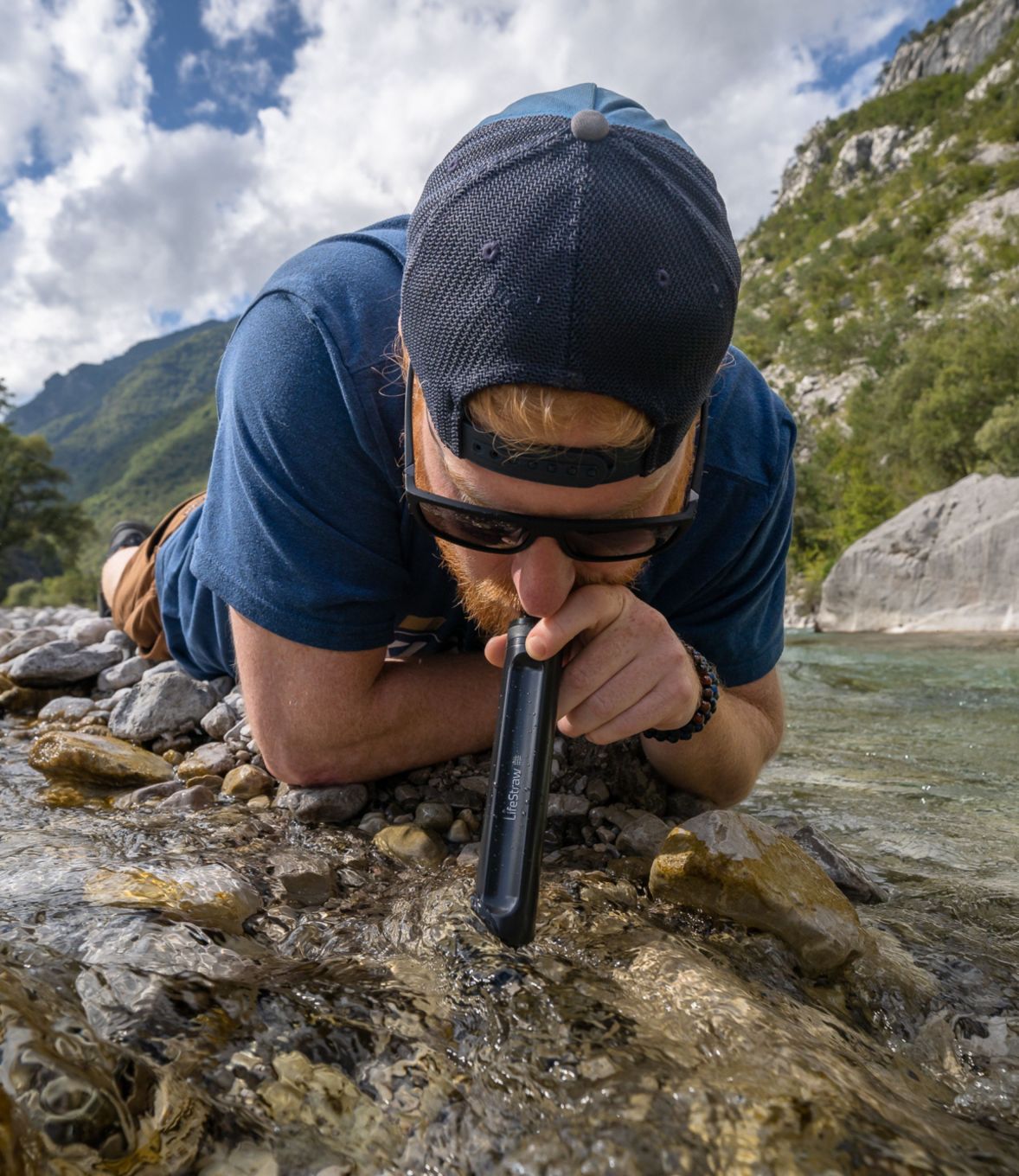
Filtration is a fast and practical method to purify water, especially during outdoor activities like hiking or camping. It involves using a specialized filter (like a straw or water bottle) to eliminate physical impurities, sediments and biological contaminants (like bacteria and parasites). Portable or domestic filters use a porous membrane or activated carbon to block particles and pathogens. Some advanced filters can also eliminate chemicals and heavy metals.
Advantages of purification by filtration:
Disadvantages of purification by filtration :
Source: Lifestraw.com
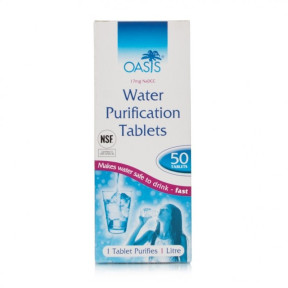
Water purification tablets, usually based on chlorine, chlorine dioxide or iodine, are a simple and compact method for disinfecting water. They are particularly useful when traveling or hiking. When dissolved in water, these tablets destroy pathogens such as bacteria, viruses and parasites. You just need to wait about 30 minutes to 2 hours for the water to be drinkable, depending on temperature and water quality.
Advantages of purification tablets:
Disadvantages of purification tablets :
Ultraviolet (UV) water purification systems use lamps emitting UV rays to destroy the DNA of micro-organisms such as bacteria, viruses and protozoa, making water drinkable. This type of technology is fast and effective for purifying water without adding chemicals or altering taste. Brands specializing in outdoor equipment, like Katadyn, offer this type of product.
Advantages of UV water purification:
Disadvantages of UV water purification :
Distillation is a purification method that involves heating water to boiling point, then collecting the vapor that condenses into pure water, leaving behind impurities and contaminants. This technique effectively eliminates bacteria, viruses, parasites, salts, heavy metals and even chemicals.
Advantages of filtering water by distillation:
Disadvantages of filtering water by distillation:
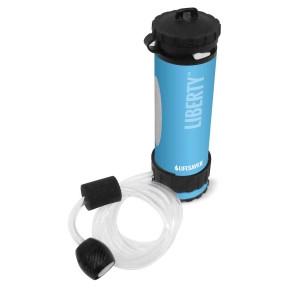
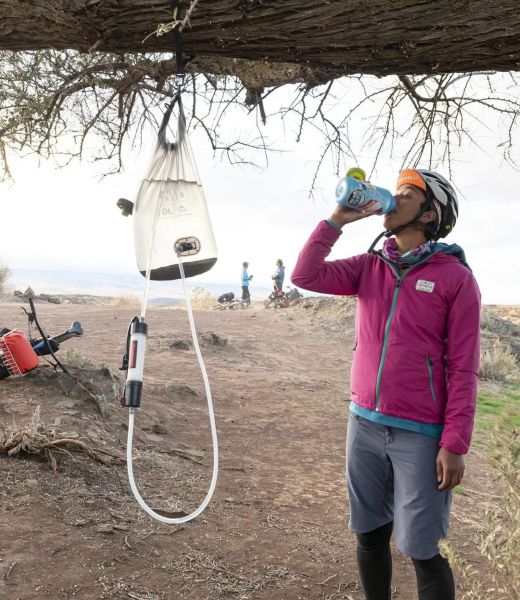
The gravity filtration system is a simple and effective method for purifying water, particularly when camping or in areas without access to drinking water. This system uses gravity to force water through a filter, thus eliminating impurities such as sediments, bacteria, and sometimes even chemicals.
Advantages of gravity filtration:
Disadvantages of gravity filtration:
A homemade filter using sand, gravel and sometimes charcoal is an ingenious solution for purifying water, particularly in survival situations. This filter works by passing water through different layers of materials that retain solid impurities and certain particles.
Advantages of sand filter:
Disadvantages of sand filter :
The use of small amounts of chlorine is common for purifying water in many regions. Chlorine drops (or unscented bleach) can disinfect water in 30 minutes, provided recommended doses are respected. This method is effective against bacteria and certain viruses.
Advantages of water chlorination :
Disadvantages of water chlorination :
When you go camping, bivouacking or traveling, the choice of water purification method depends on several factors: ease of use, effectiveness against pathogens, portability and available resources.
For outdoor activities like camping or hiking, filtration is often the best option. Portable filters are practical, fast, and effective at removing sediments, bacteria and parasites. They also improve the taste of water, which can be an appreciated advantage. However, to protect against viruses, it's important to use specific filters or supplement with another method, like purification tablets.
Purification tablets are an excellent backup solution due to their lightness and ease of use. They are particularly suitable for travel or emergency situations, but may alter the taste of water and require waiting time before consuming the water.
For fast purification without altering taste, UV systems are ideal, provided you have access to an energy source. They are very effective against micro-organisms, but don't work well with turbid water or water containing sediments.
For situations where water is heavily contaminated or if you want an autonomous method without electricity, the gravity filtration system is practical and effective for purifying large quantities of water, but can be slower.
Finally, the best solution for filtering water while camping relies on combining several techniques. To maximize effectiveness, a three-step approach is recommended:
With this versatile method, you'll be prepared for any eventuality, regardless of the water source. Choosing lightweight, durable and effective tools guarantees you safe hydration and peaceful camping, while respecting the nature around you.