 The best equipment for pros and enthusiasts alike





-
 Professions
-
-
-
-
-
-
-
-
All Tops
![All Tops]()
-
-
-
All Bottoms
![All Bottoms]()
-
-
-
All Footwear
![All Footwear]()
-
-
-
All Bags
![All Bags]()
-
-
-
All Accessories
![All Accessories]()
-
-
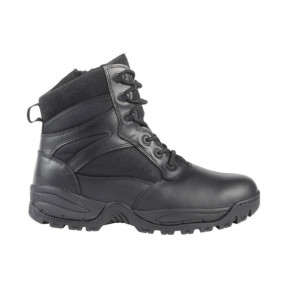
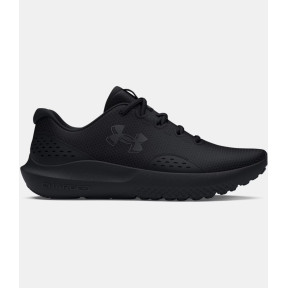
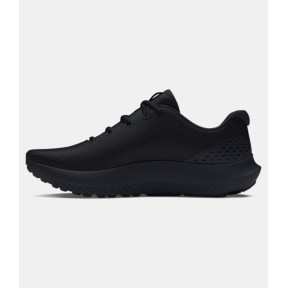
Military boots and shoes
Sort by
: Relevance
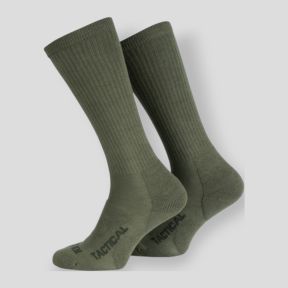
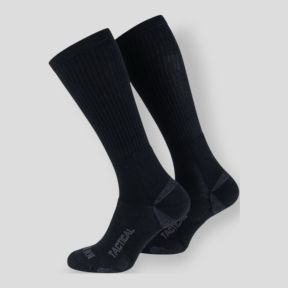
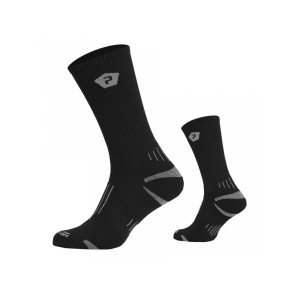
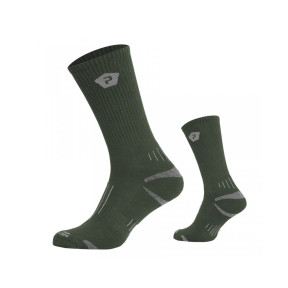
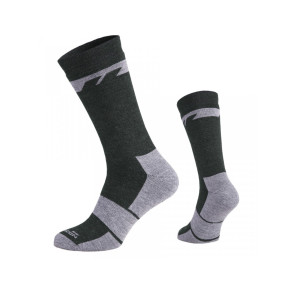
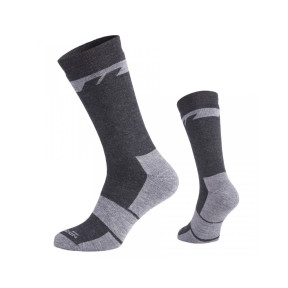
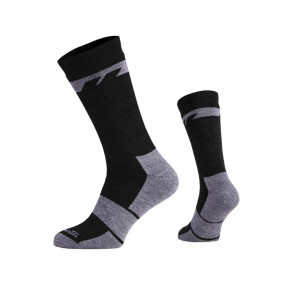
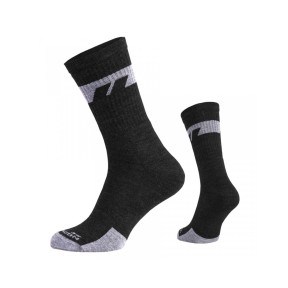
-30%
-35%
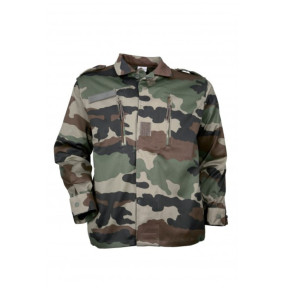
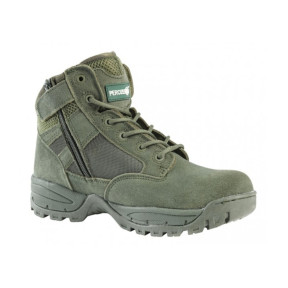
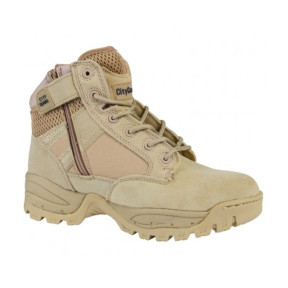
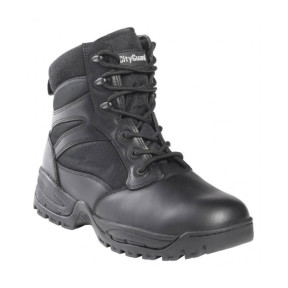
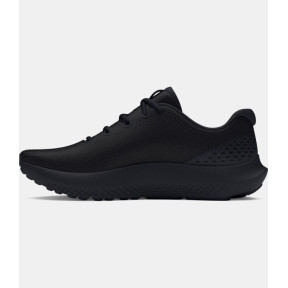
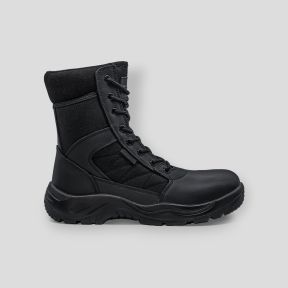
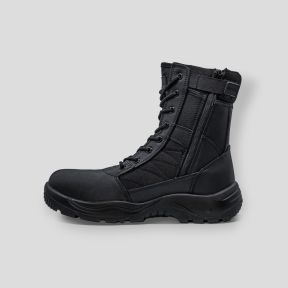
VET SECURITE Exclusive
Our selection


-35%
Originally designed for military personnel, rangers have won over civilians who are hiking enthusiasts and need sturdy and comfortable shoes. On vetsecurite.com find the best brands (Magnum, Adidas, Haix, Original SWAT...) at the best price on our site.
Learn more about military ranger boots
Rangers or combat boots are high-top shoes that support the foot and ankle. Different types of fastenings exist for ranger boots such as full lacing, but also a closure system using one or two buckles with prongs. In the French army, the administrative designation for rangers is "Brodequin de Marche à Jambières Attenantes" (BMJA).
Ranger boots have many advantages, they provide good waterproofing, but also reinforce the ankle to prevent twists or trauma. Finally, ranger boots protect your feet from foreign objects that could penetrate inside them (pebbles, etc.).
The disadvantage related to military rangers can relate to their weight, but also to the lacing system. That's why we have dedicated a blog article giving you 5 tips for properly lacing your rangers
The evolution of military rangers
Initially made from cowhide leather, rangers have evolved over time. They now exist with several technical specifications (steel-toed, waterproof, one zip, two zips, etc.) in different materials such as textile or nubuck.
Nowadays, ranger boots are gradually being replaced by high-end hiking shoe models adapted to the needs of each mission. This is due to the versatility of these shoes, unlike rangers. The hiking shoe notably offers a Gore-Tex membrane, allowing sweat to be wicked away, an anti-vibration sole, reduced weight and much more. It is these characteristics that led the French army to acquire 185,000 pairs of NEPAL PRO combat shoes from the Haix brand.
You can now browse our site to discover numerous models, both men's rangers and women's rangers.
Why do military personnel use ranger boots?
To learn more about this, we need to go back to the 1950s. It was from this era that the military began using ranger boots. Indeed, these high-top shoes, also called "rangeo," provided support for the foot and specifically the ankle through a closure system secured by laces and buckles. The technical features of ranger boots don't stop there, as some are also waterproof. The rigidity of rangers is well-established and attracted military personnel who could walk very long distances without wearing them out.
Today, the manufacturing techniques for ranger boots have evolved significantly. Gone are the terrible blisters all over the foot. The soles are lighter, the leather is softened, the weight is significantly reduced, making them now comfortable to wear.
-
![Over 200 brands At the best price]() Over 200 brands At the best price
Over 200 brands At the best price -
![Secure payment In 3 or 4 interest-free installments]() Secure payment In 3 or 4 interest-free installments
Secure payment In 3 or 4 interest-free installments -
![Delivery across Europe As soon as possible]() Delivery across Europe As soon as possible
Delivery across Europe As soon as possible -
![Customer service Monday to Friday]() Customer service Monday to Friday
Customer service Monday to Friday


